
Two Teachers, Both Teaching
A lead teacher and a learning specialist, both focused on teaching.
We train teachers who are ready for what comes next, and our children learn not to back away from a hard problem. At RDAS, every teacher has undergone extensive training in translating the latest cognitive science research into classroom instruction you can see every single day. Expert teachers are guided by Dr. Kevin Mattingly, Riverdale’s former Lead Learning Designer, with on-site and remote support, so every lesson is rooted in rigorous learning science.
Why Our Teaching Works
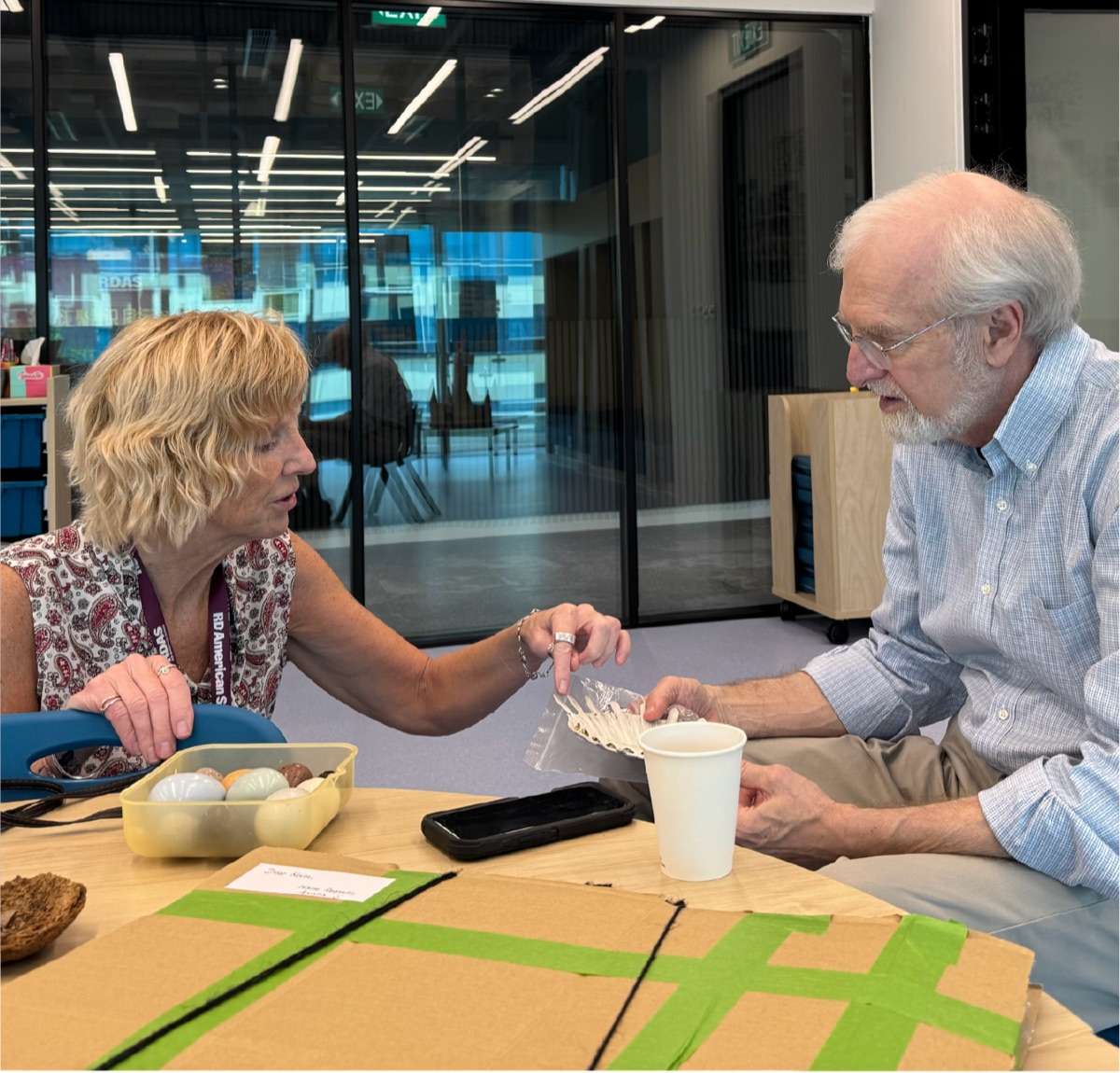
At RDAS, someone is always teaching. In our co-teaching model, every class is staffed with a lead teacher and a learning specialist Both teachers focus on explaining, observing, and questioning, and step in to help the moment a child gets stuck. That ratio is what makes personalized learning actually happen: what a child needs gets noticed, and answered, on the spot.
A lead teacher and a learning specialist, both focused on teaching.
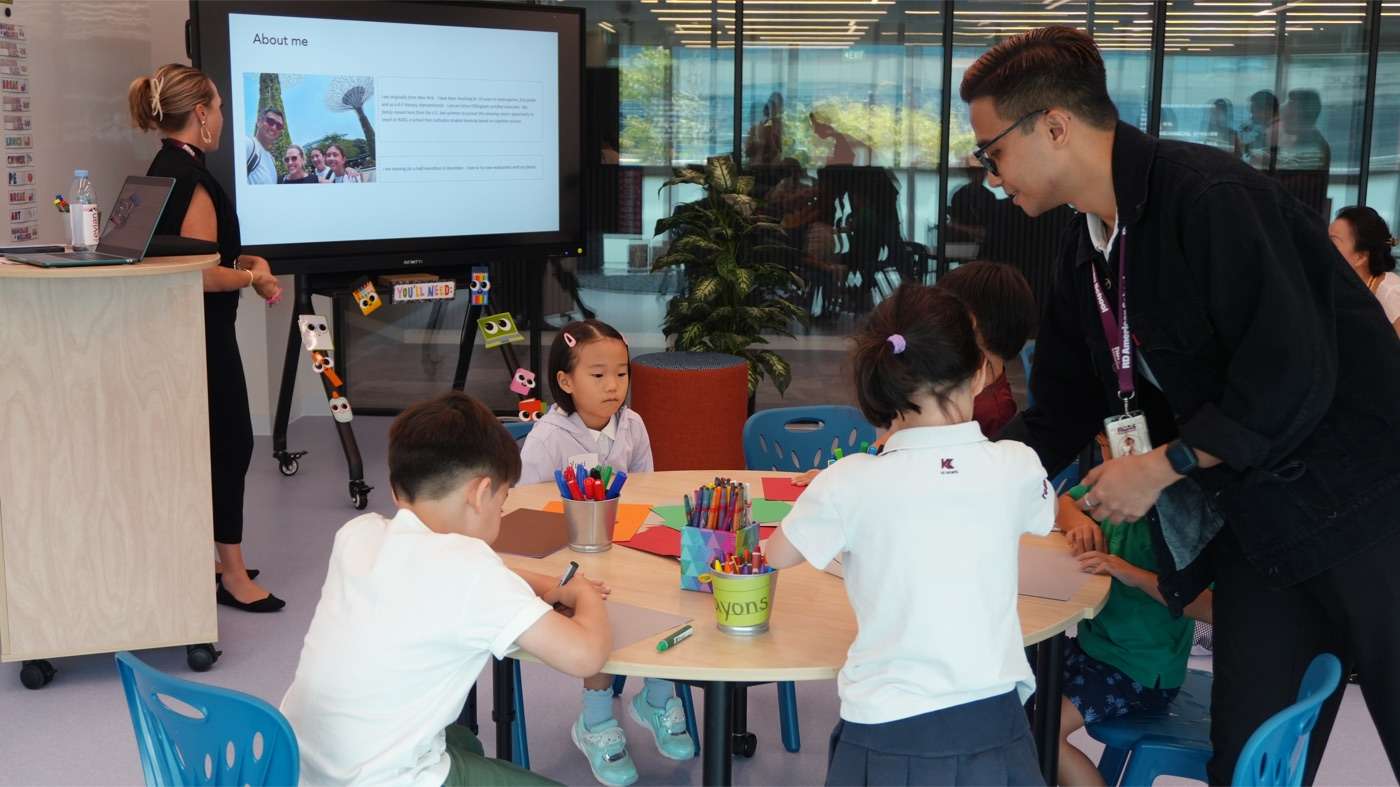
With two teachers working at once, the real ratio is lower and no child goes unnoticed.

Two pairs of eyes observe more closely, stepping in the instant a child looks lost.
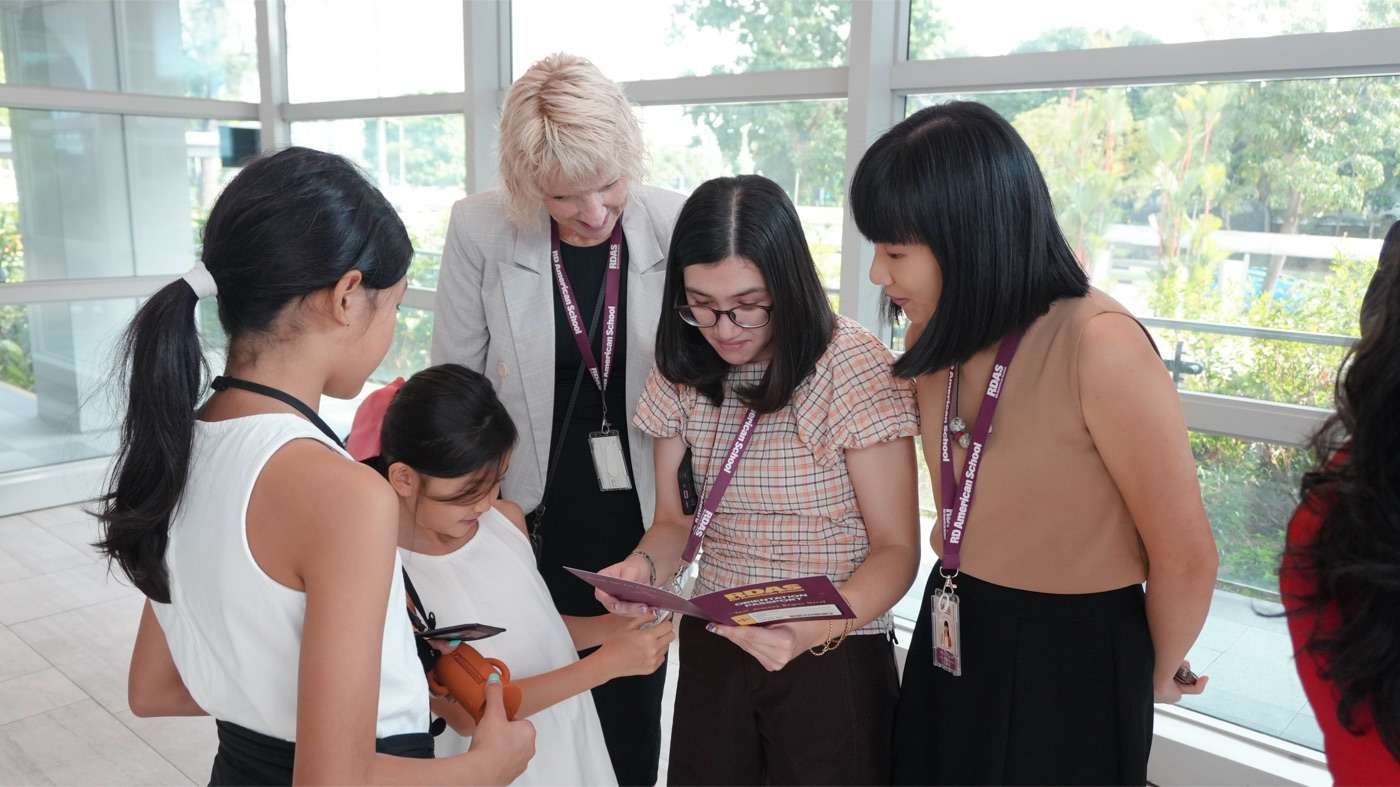
Specialists bring a Columbia master’s degree or equivalent classroom experience.
At RDAS, the second person is a teacher too.
The Trainer Behind Our Teachers
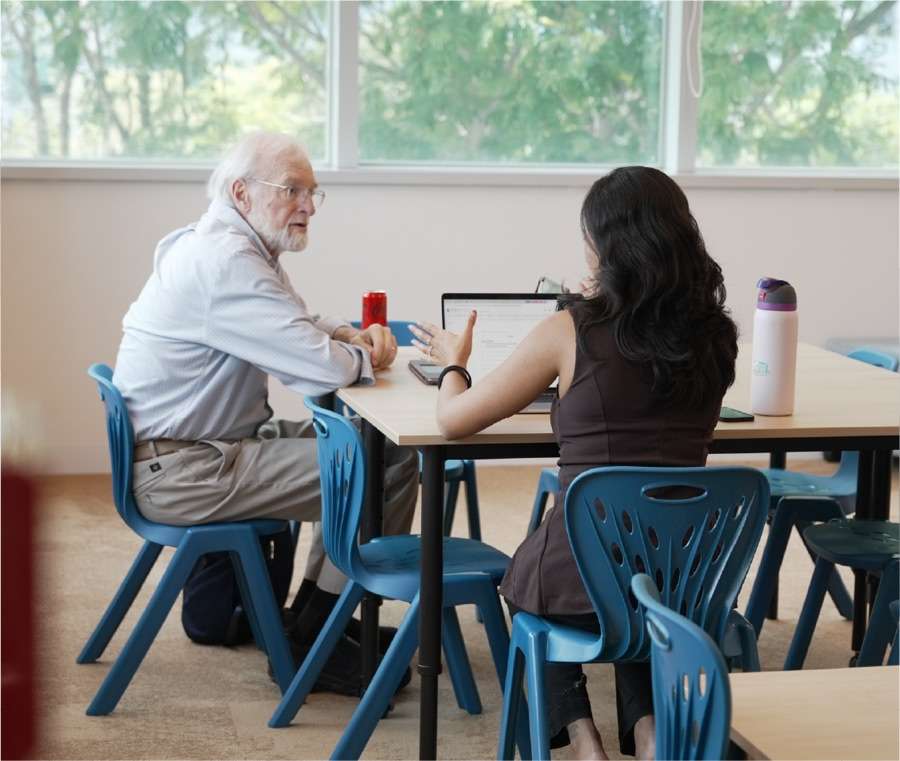
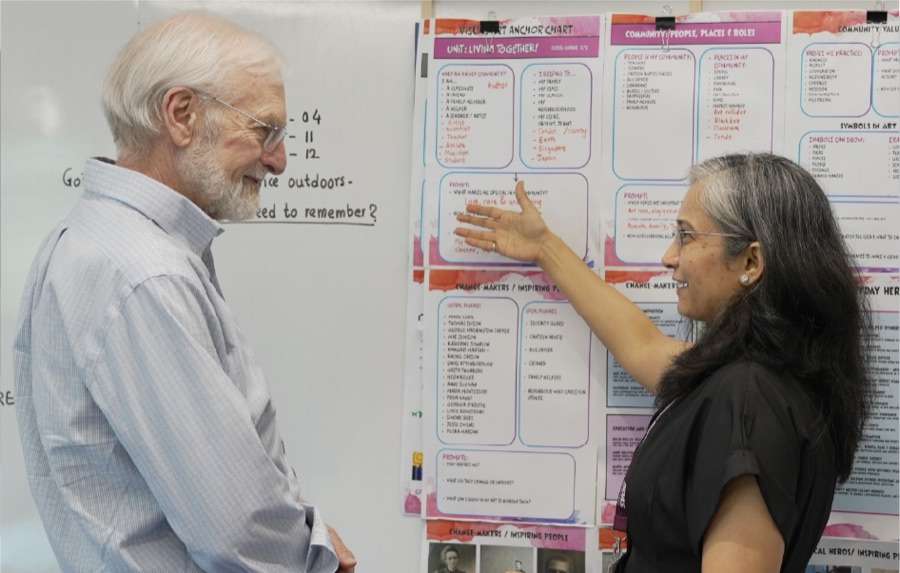
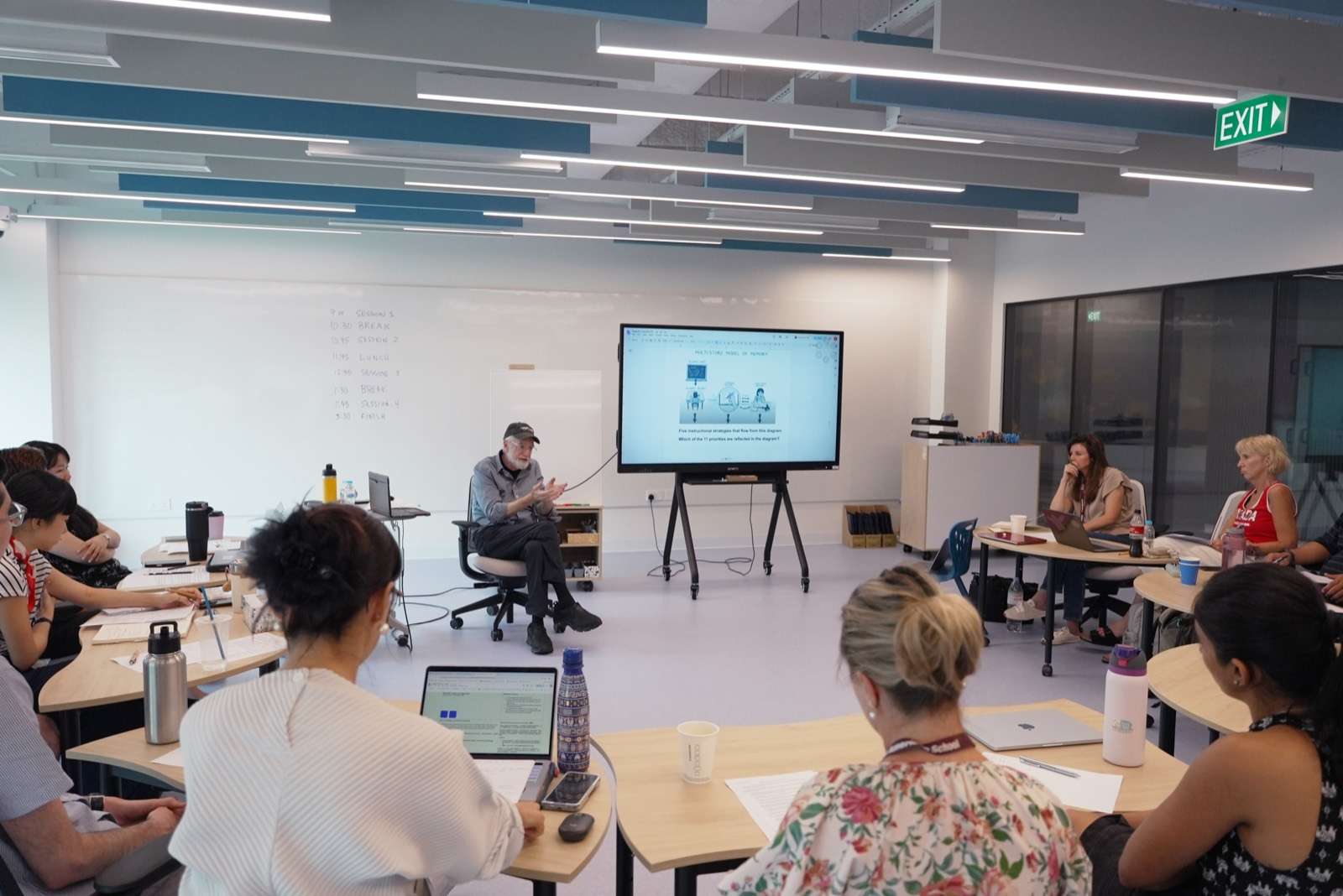
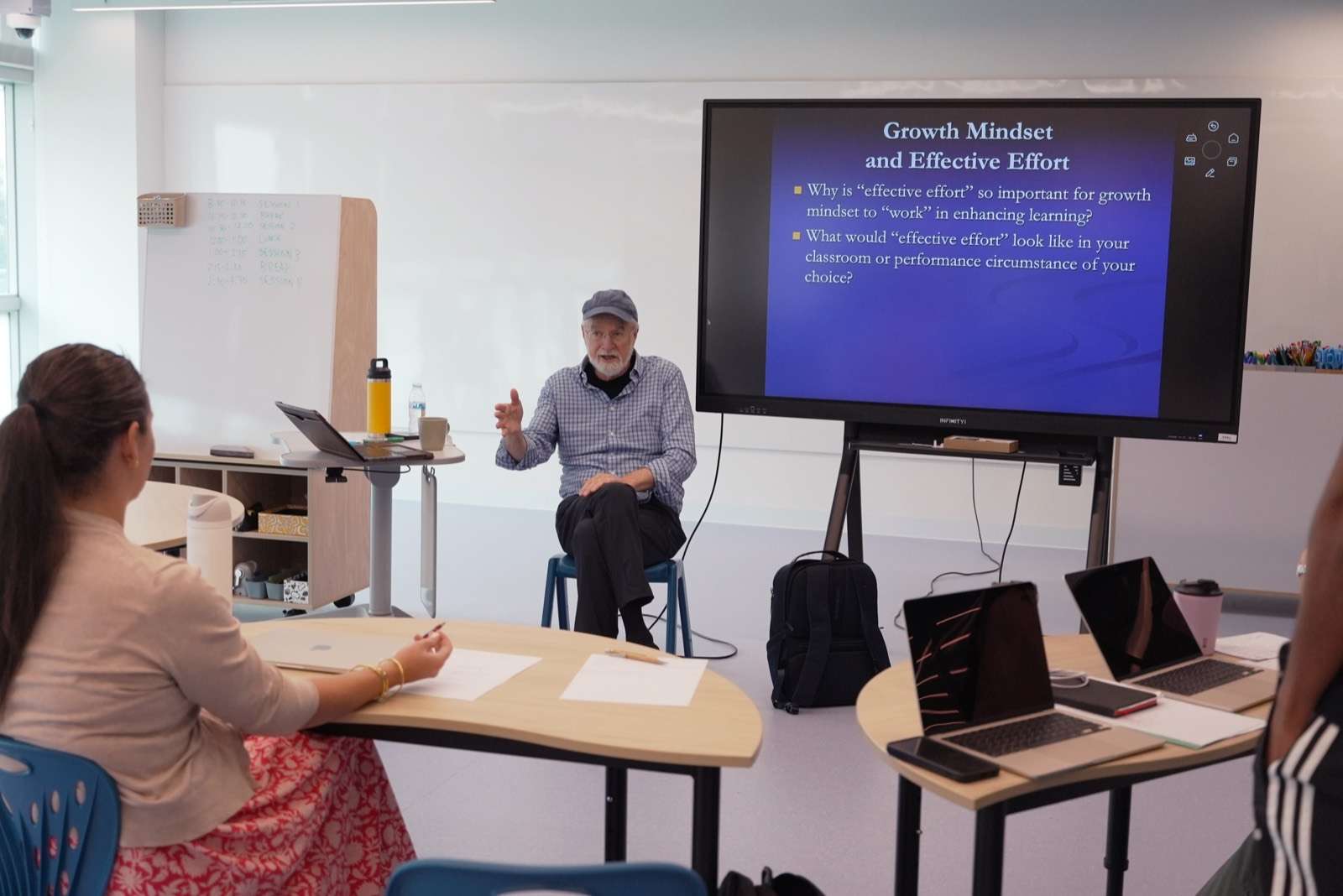
Dr. Kevin Mattingly is RDAS’s Academic Advisor. He is Riverdale’s former Lead Learning Designer and Professor of Practice at Columbia University’s Teachers College, and previously directed teaching and learning at Lawrenceville. Across his career, he has led instruction at some of America’s top private schools and universities. He trains every RDAS teacher in person, showing them how to turn cognitive science research into what actually happens in a lesson.
Columbia University’s Teachers College was ranked the top graduate school of education in the United States by U.S. News & World Report in 2024, and has trained teachers from around the world since it was founded in 1887. Its faculty are regularly honored by organizations such as the American Educational Research Association (AERA), and its doctoral students have contributed to Pulitzer-recognized work. Dr. Mattingly has been part of that institution for many years, and part of what it has achieved.
Dr. Mattingly keeps RDAS current with the research, and with how the world’s best schools actually teach.
A Systematic Training Method
Memory, thinking, teaching, motivation: cognitive science is a vast and constantly advancing field. Reading the research is the easy part; building it into practical lessons, day after day, is not. Our teachers spend years making this science second nature. At RDAS we take it as a given that getting better year after year takes deliberate, sustained work.
Making Knowledge Stick
From Knowing To Understanding
Clear, Deliberate Instruction
The Conditions To Keep Going
In the end, all of this science lives in the classroom, not just in theory. Pick a subject and learn more.
