

The Child’s Idea Leads
The starting point is always the child’s own idea: whatever they want to make is where we begin.


Dream Lab is a dedicated part of the weekly schedule. Here, children bring their own ideas, while teachers guide them in turning those ideas into meaningful projects.
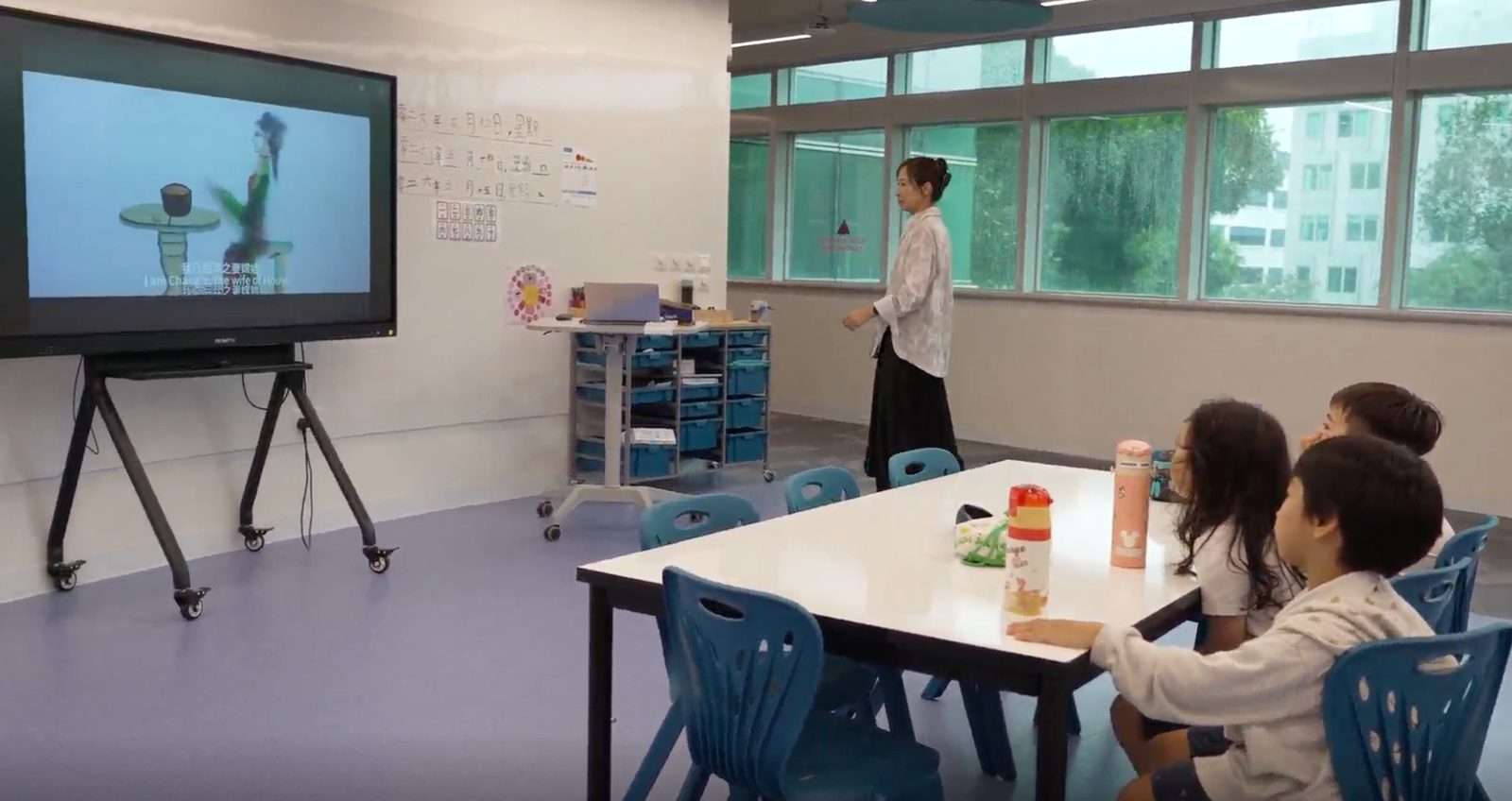 The spark · Chinese class
That day in Chinese class, the teacher played a piece of shadow puppetry. The figures moved across the white cloth, and the room went still.
“How does that shadow move? Could I make one myself?”
At RDAS, questions like this are the start of a journey.
He decided he wanted to tell a story of the Monkey King.
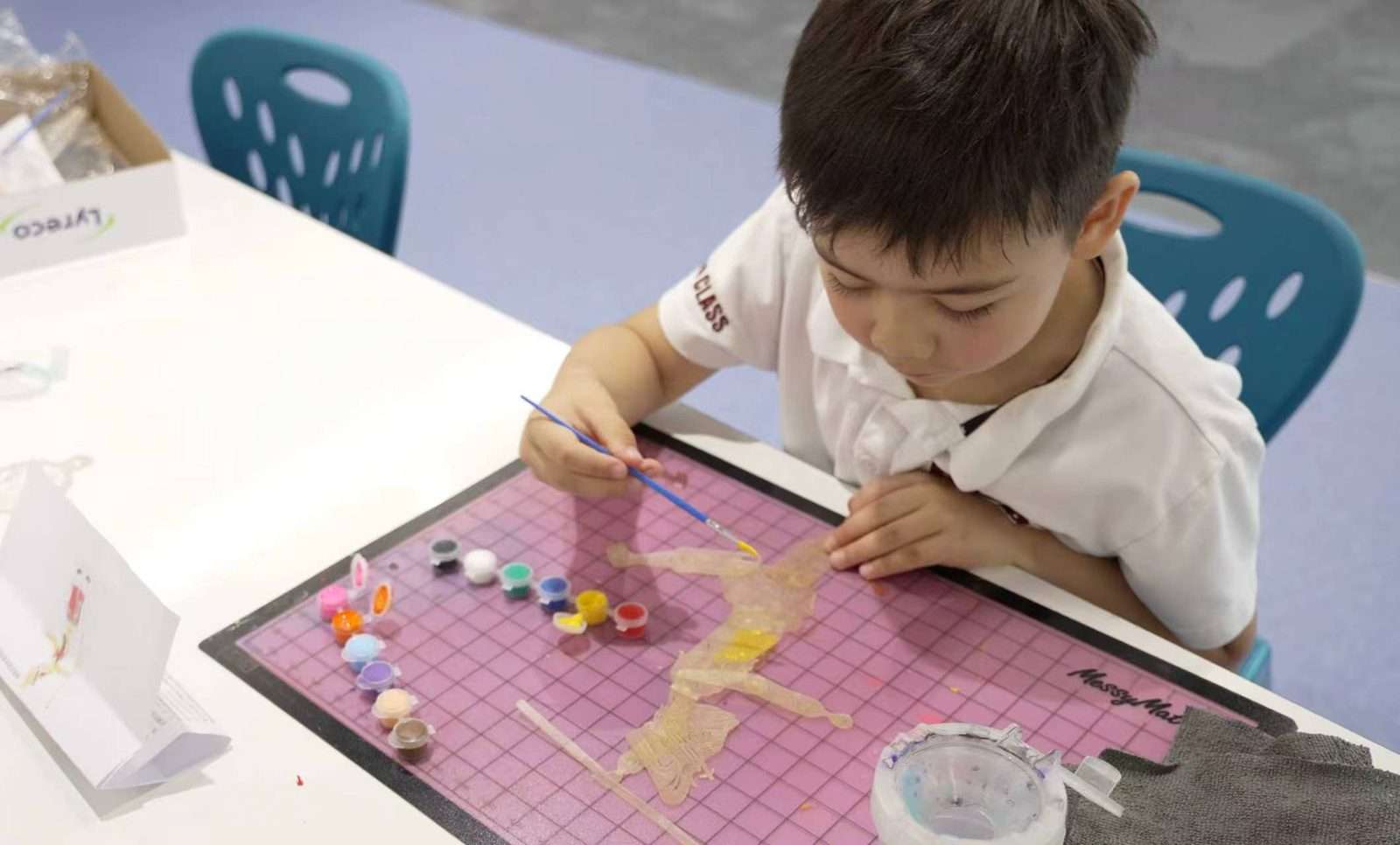 Stuck · coloring
The moment he started, it turned out to be harder than it looked. As he painted, the color kept running past the lines, and one stroke was enough to smear the gold on his staff. He stopped, a little deflated.
The teacher did not take the brush and finish it for him, nor did she say “it doesn’t matter how it looks.” She sat down beside him, first asked what his Monkey King was meant to look like, then tried it with him, bit by bit: how much paint to load, how slowly to draw the stroke, where to leave it unpainted.
Support is staying beside him,
until he can do it himself.
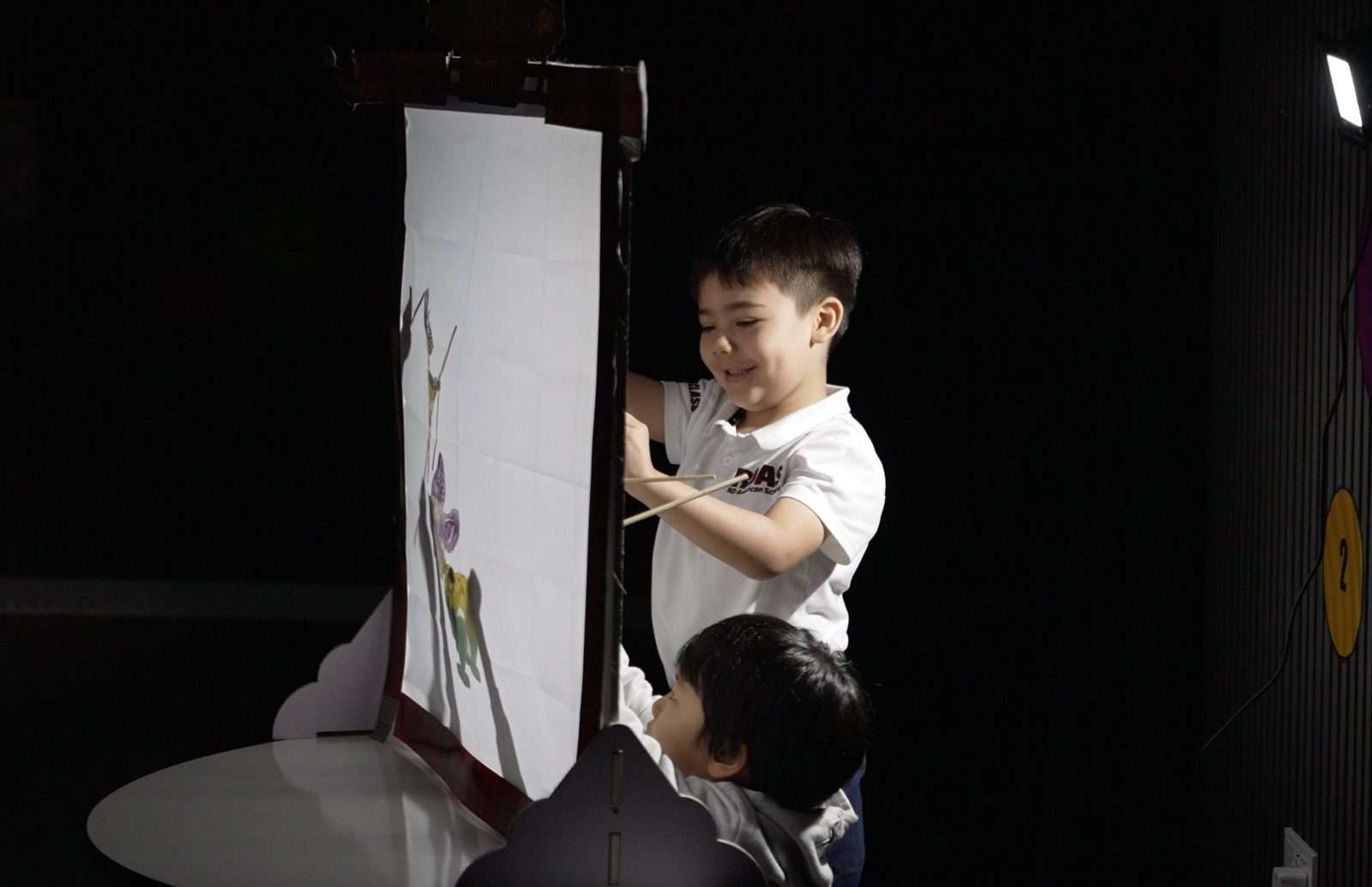 Growing · from one child to a troupe
The puppet was ready, but one child cannot carry a whole show, so he invited classmates to perform it with him. And what happened next is the surprising part: the structure of the story, every line of dialogue, the music, even how each shadow puppet moved: all of it was designed and chosen by the children themselves.
They were the true authors of this play. The teacher was always present, yet left every decision to the children: handing them one real choice after another, and letting them decide.
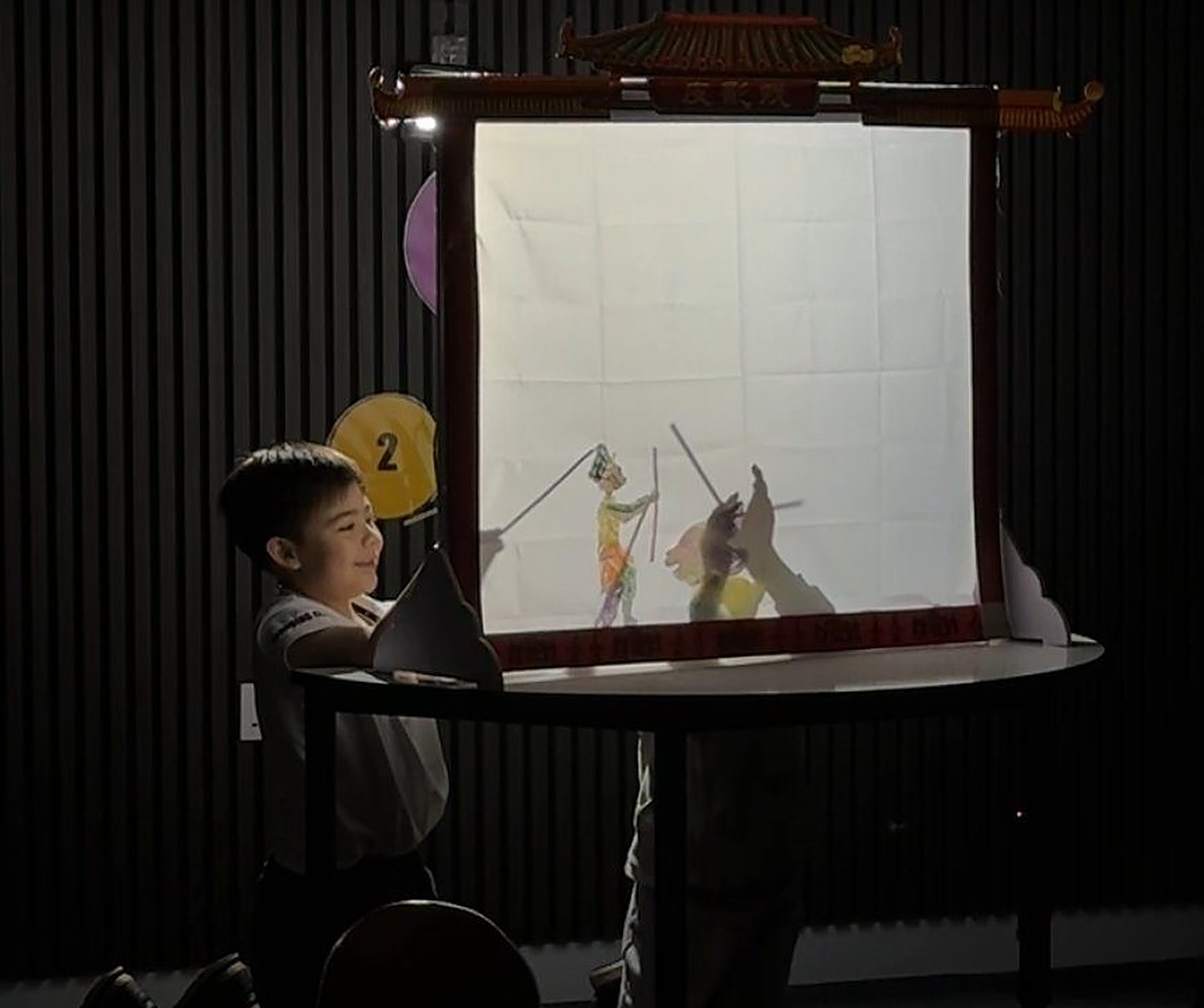 The finish · the show
The lights went down, the screen lit up, the figures tumbled and leaped, and the room held its breath.
This six-year-old learned that his ideas could be taken seriously, that his dream could be shared and made real.
That knowledge will not appear on a report card, but the memory will stay with him.
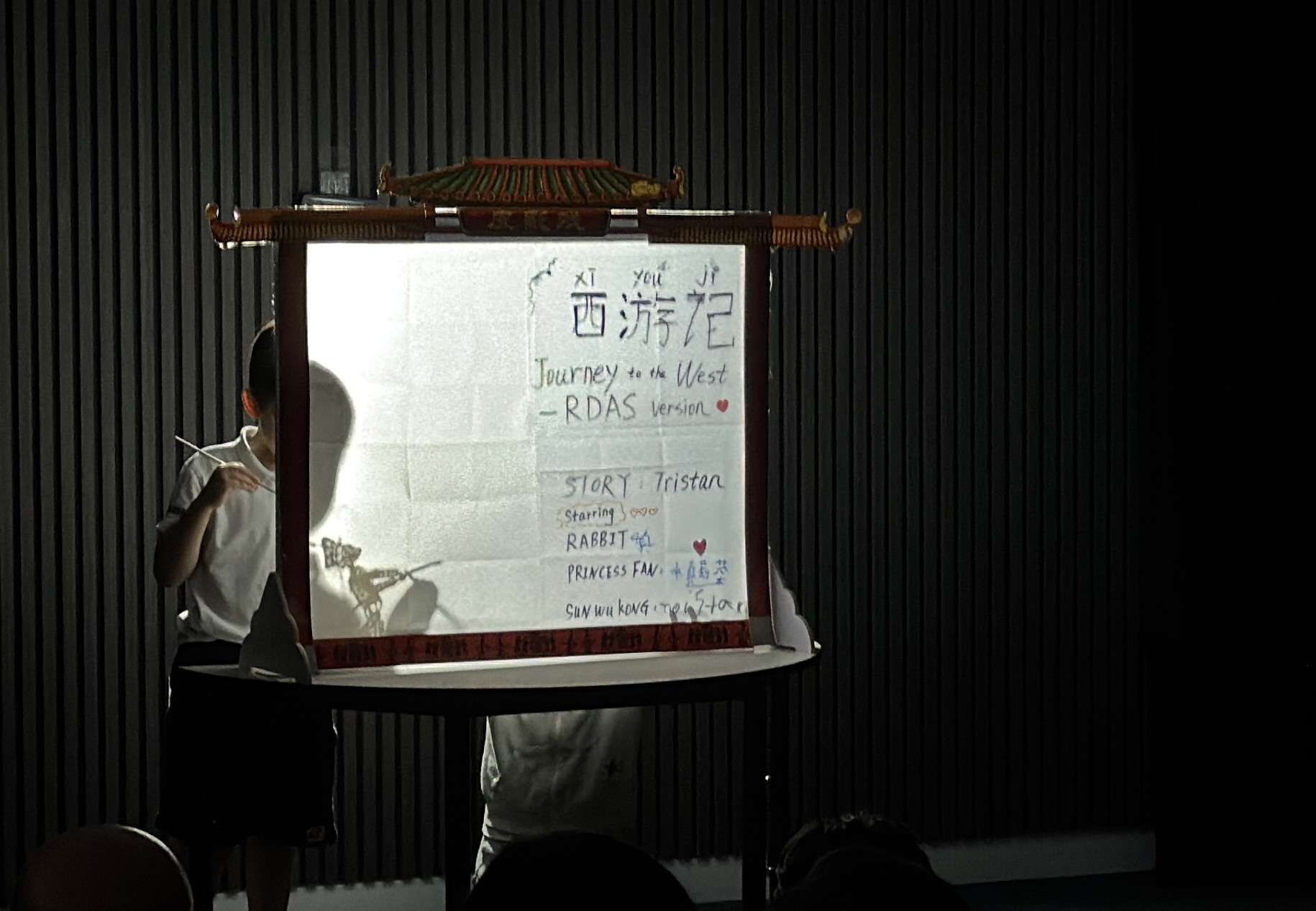
Even the playbill was written by the children.
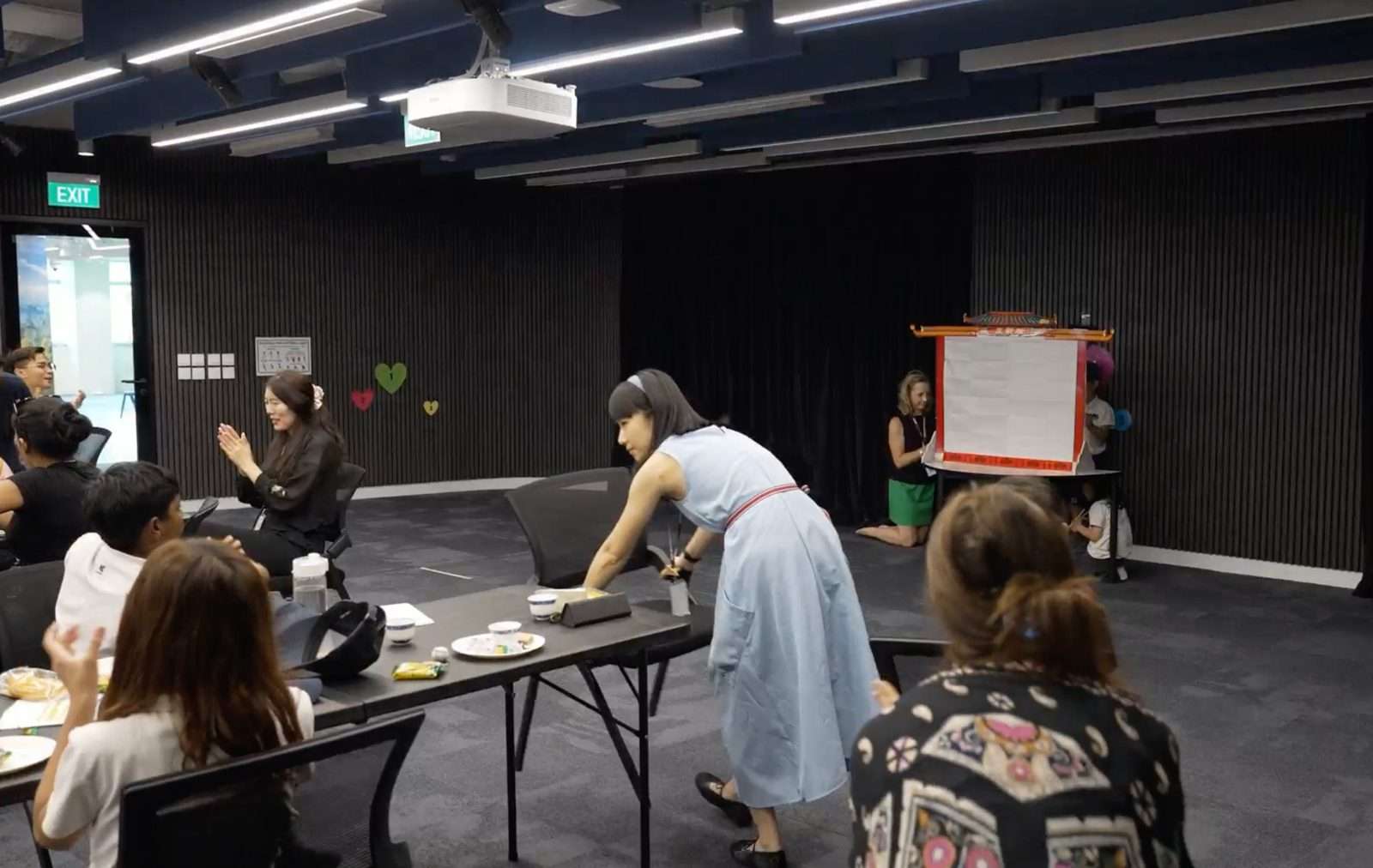
On the day of the show, students and teachers from other classes watched together.
The shadow play was created in the Dream Lab.
The starting point is always the child’s own idea: whatever they want to make is where we begin.
Teachers never say “do it this way”; instead, they ask “how do you think it can be done?” leaving the decision to the child.
A portfolio and reflection turn how a child got there, step by step, into growth they can look back on.
It sits on the schedule alongside the core subjects, because to us, turning your own idea into something real deserves to be a subject in its own right.
During this block, children walk in with their own ideas, and teachers help them turn those ideas into something real, piece by piece.
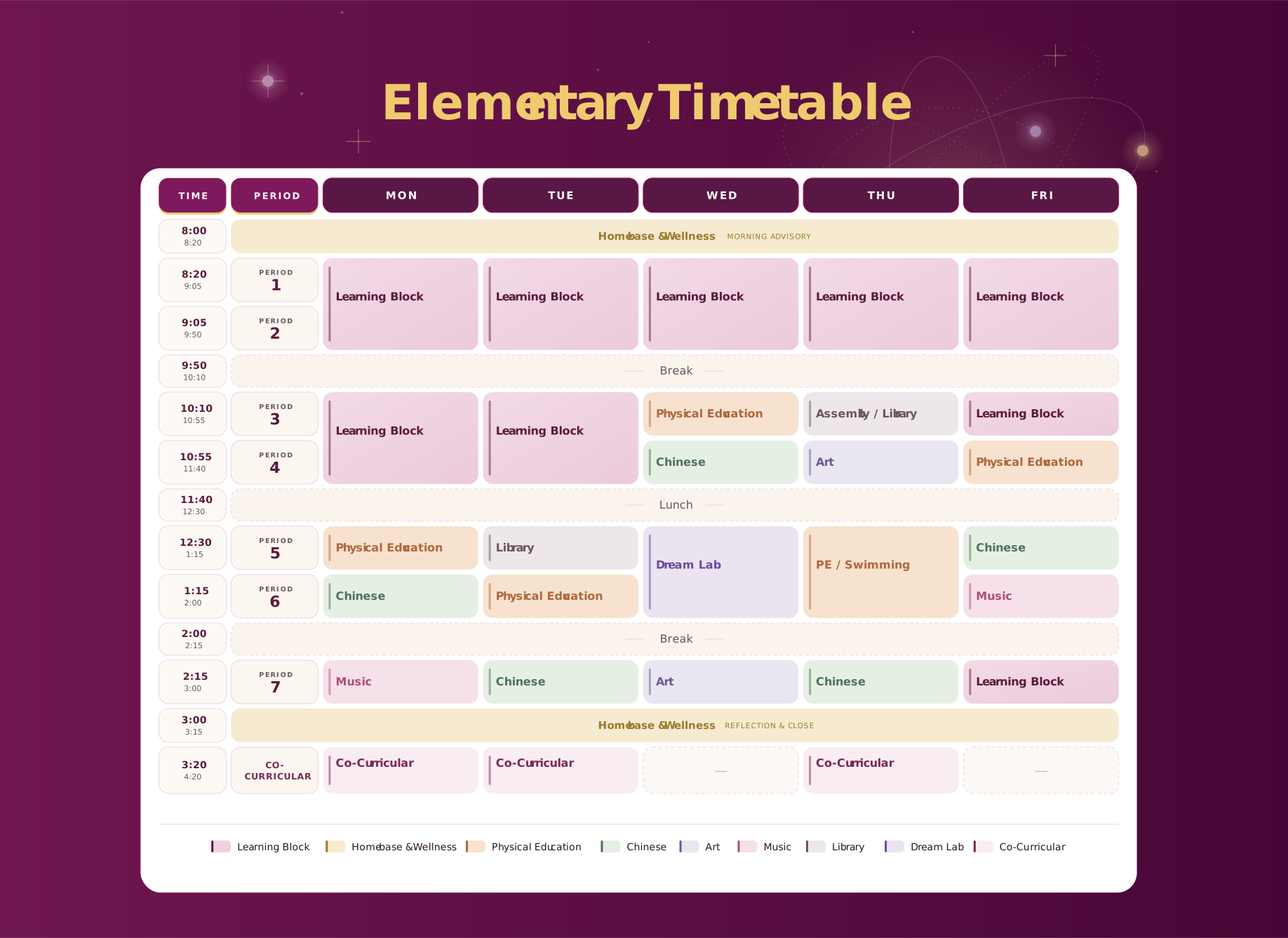 Dream Lab
Sample Elementary School Weekly Schedule
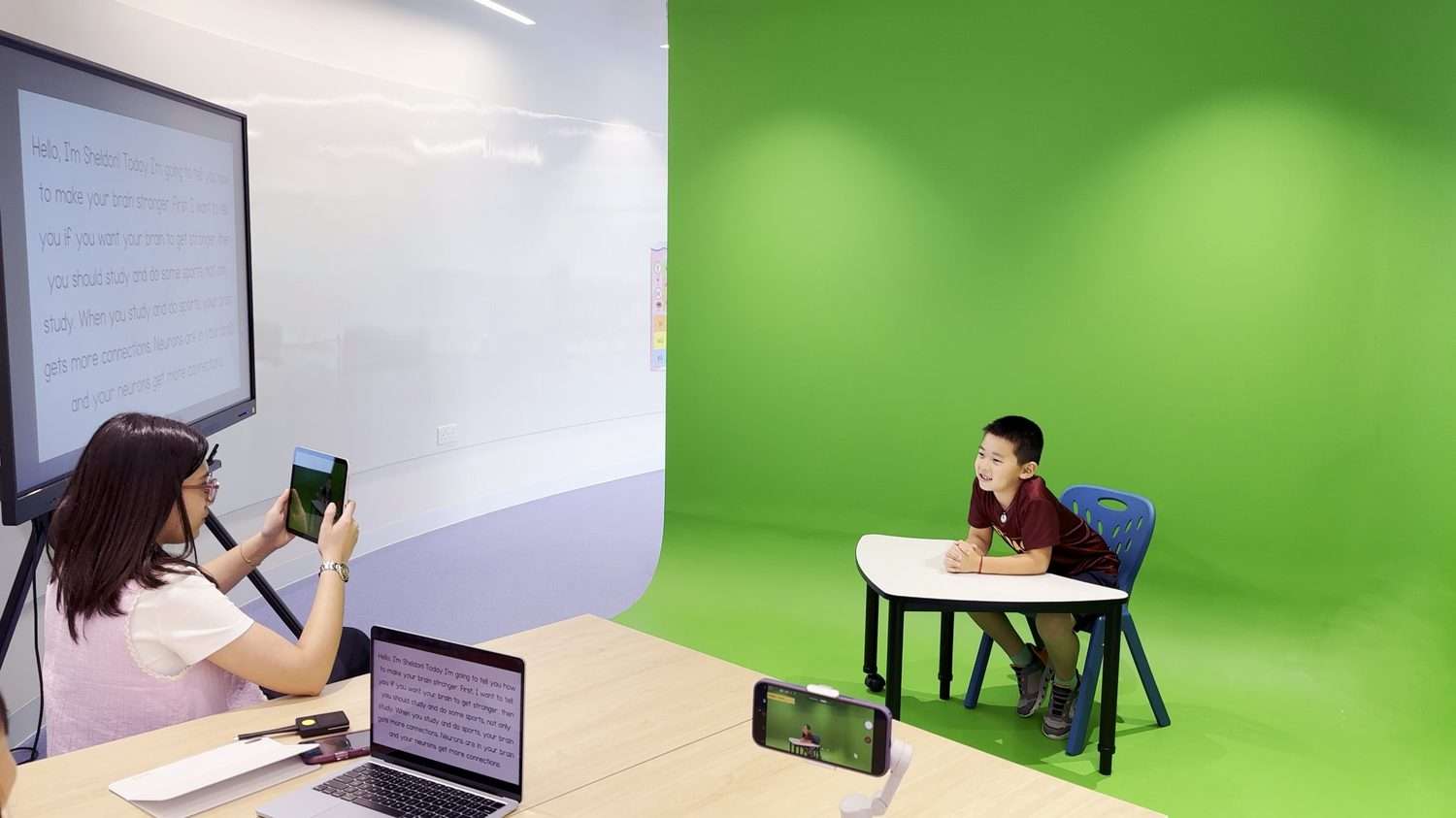
After learning about the brain, one student created a green-screen presentation to teach others. Real understanding is being able to explain it to someone else.
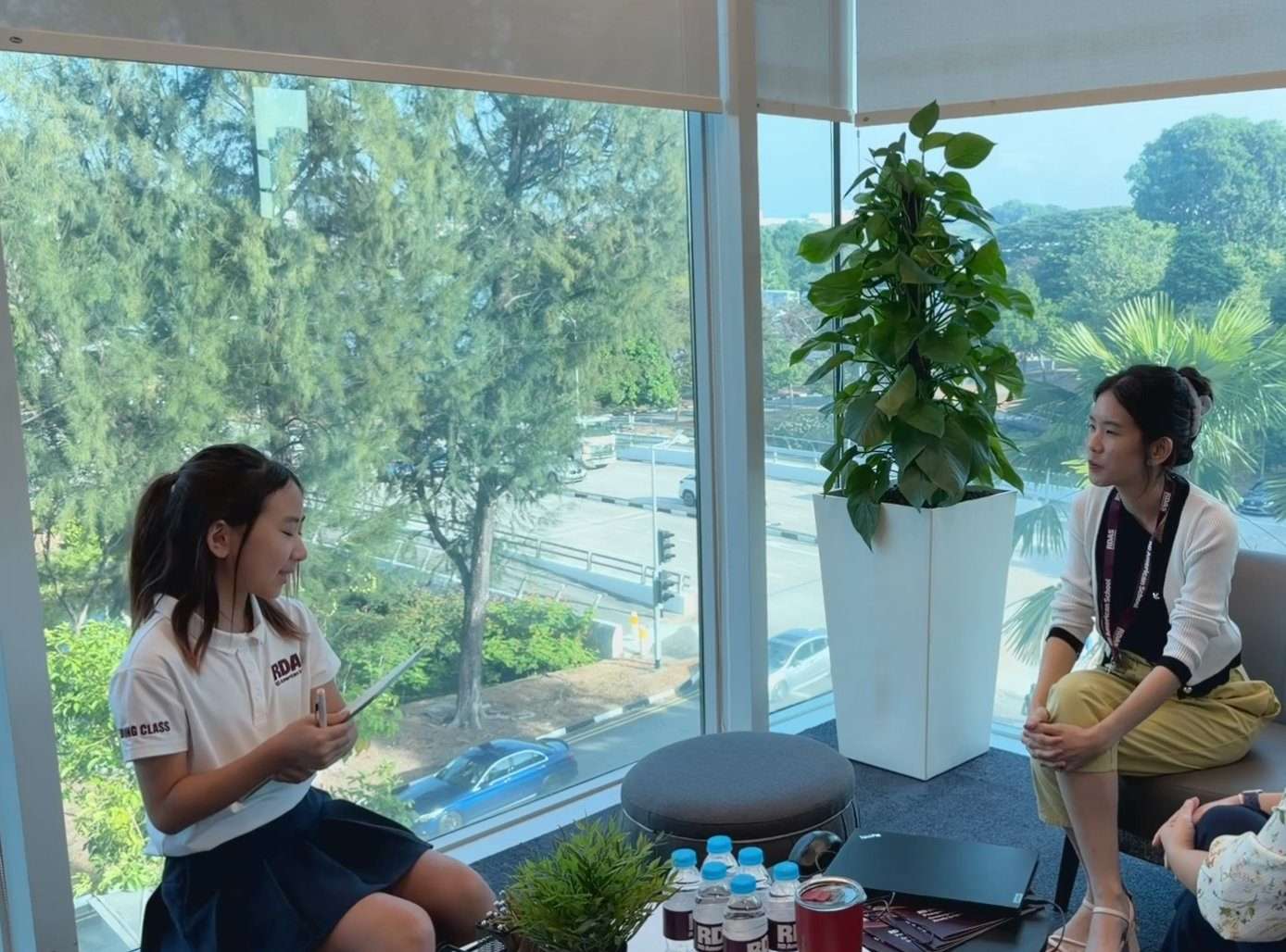
Students interview professionals from different fields, building curiosity, confidence, and a deeper understanding of the world beyond the classroom.
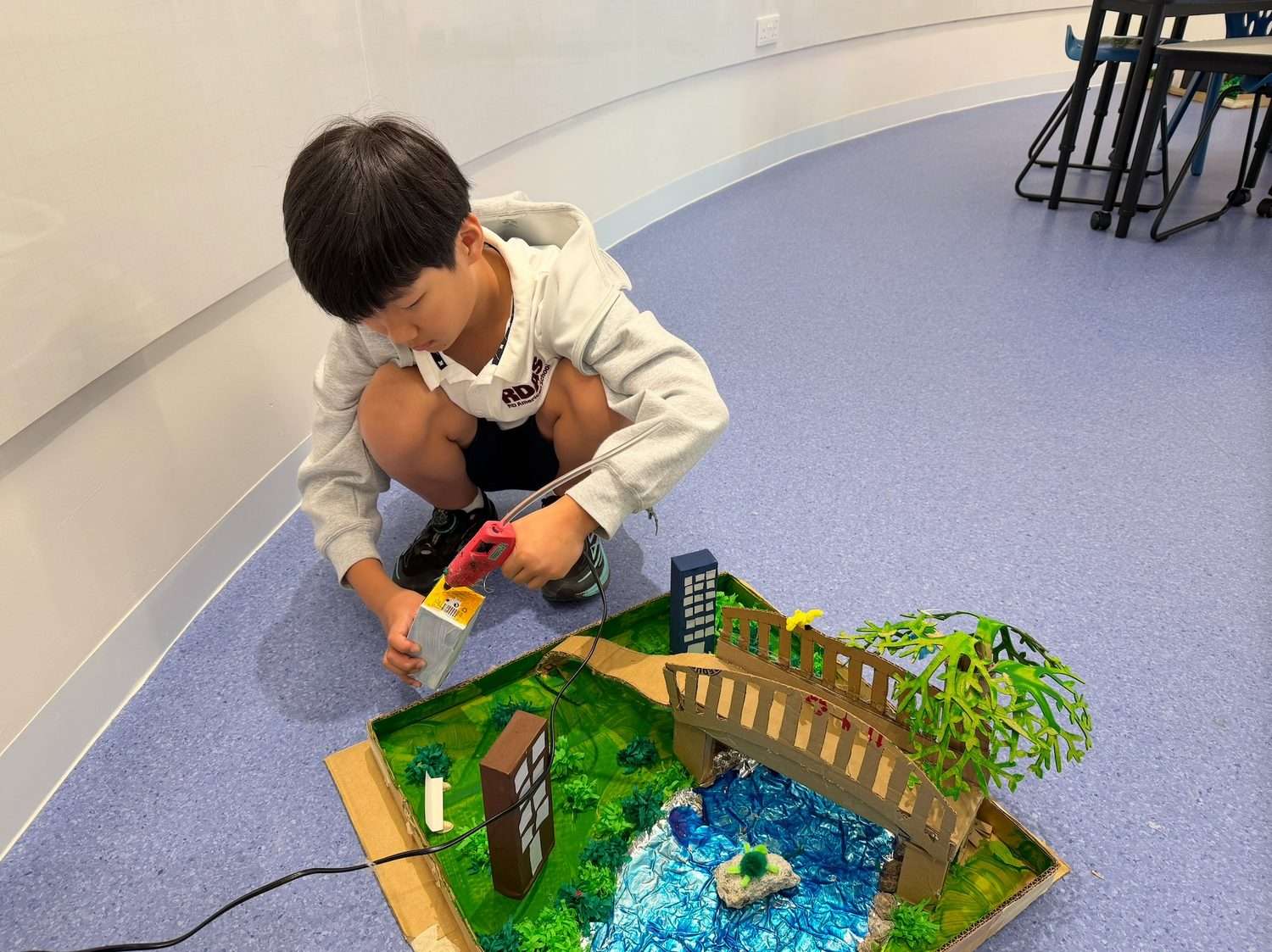
Students surveyed their neighborhood before designing detailed 3D models, combining observation, creativity, engineering, and teamwork.
When a child is working toward something they genuinely want to bring into being, they will turn it over and over in their mind, persevere through the hardest parts, and try again when it does not come out right. A topic handed down by a teacher tends to buy compliance; a topic the child chooses buys investment. The two are worlds apart.
High challenge means we let children take on things that are genuinely hard, things they might fail at. For a first-grader to write a play, teach it to classmates, and face a whole-school audience is not easy, and we do not quietly lower the difficulty for them. High support means that, right at the edge of what they can and cannot yet do, a teacher is always beside them, handing the question back: “What do you think needs to happen next?”
No. When a child rehearses again and again, asking themselves “what is off, and how do I change it next time,” they are doing one of the most important kinds of thinking there is: thinking about their own thinking (metacognition). We go into this more closely on our page about cognitive science. The Dream Lab places metacognition inside something a child genuinely wants to do, so this kind of thinking takes on a concrete form and becomes something they do naturally, over and over.
See how far an idea can travel, and what children make in other classes.