The RD Difference

Every school reflects the values of the era in which it was built, and most were built for an age that has ended. RD American School was founded as a new beginning: one based on the science of how children learn and on the conviction that a child’s potential has no horizon we can see. Not a better version of an outdated vision for education, but the first glimpse of a new one.

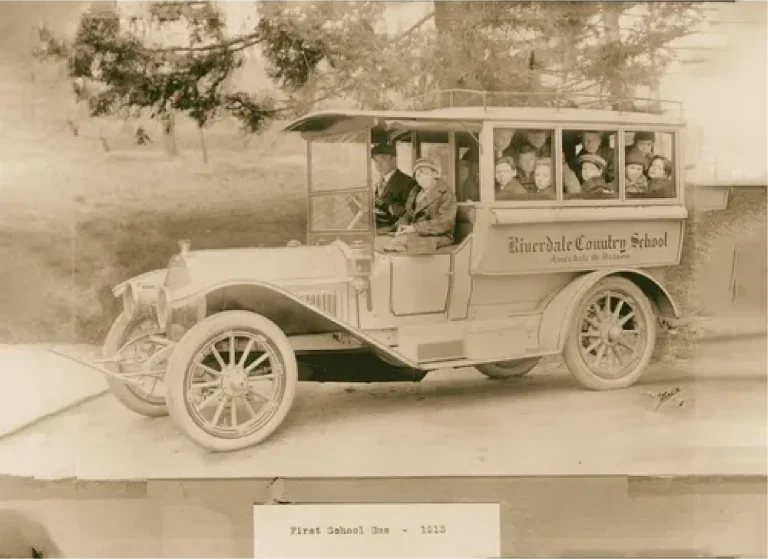
A sepia archive photograph of Riverdale Country School’s first school bus, dated 1913

Riverdale Partnership: Bringing World Class American Education to Singapore

Singapore is now home to the first school in the region to hold a partnership with a top ranked US private school. RD American School is proud to work in partnership with Riverdale Country School, an independent school in New York City with more than a century of experience in education. RDAS draws on Riverdale’s perspective and expertise as we build a school community of our own here in Singapore.

For families, this means that RDAS has developed its program in conversation with an established and respected institution, while remaining a distinct school with its own leadership, identity, and commitment to the needs of students in Singapore.

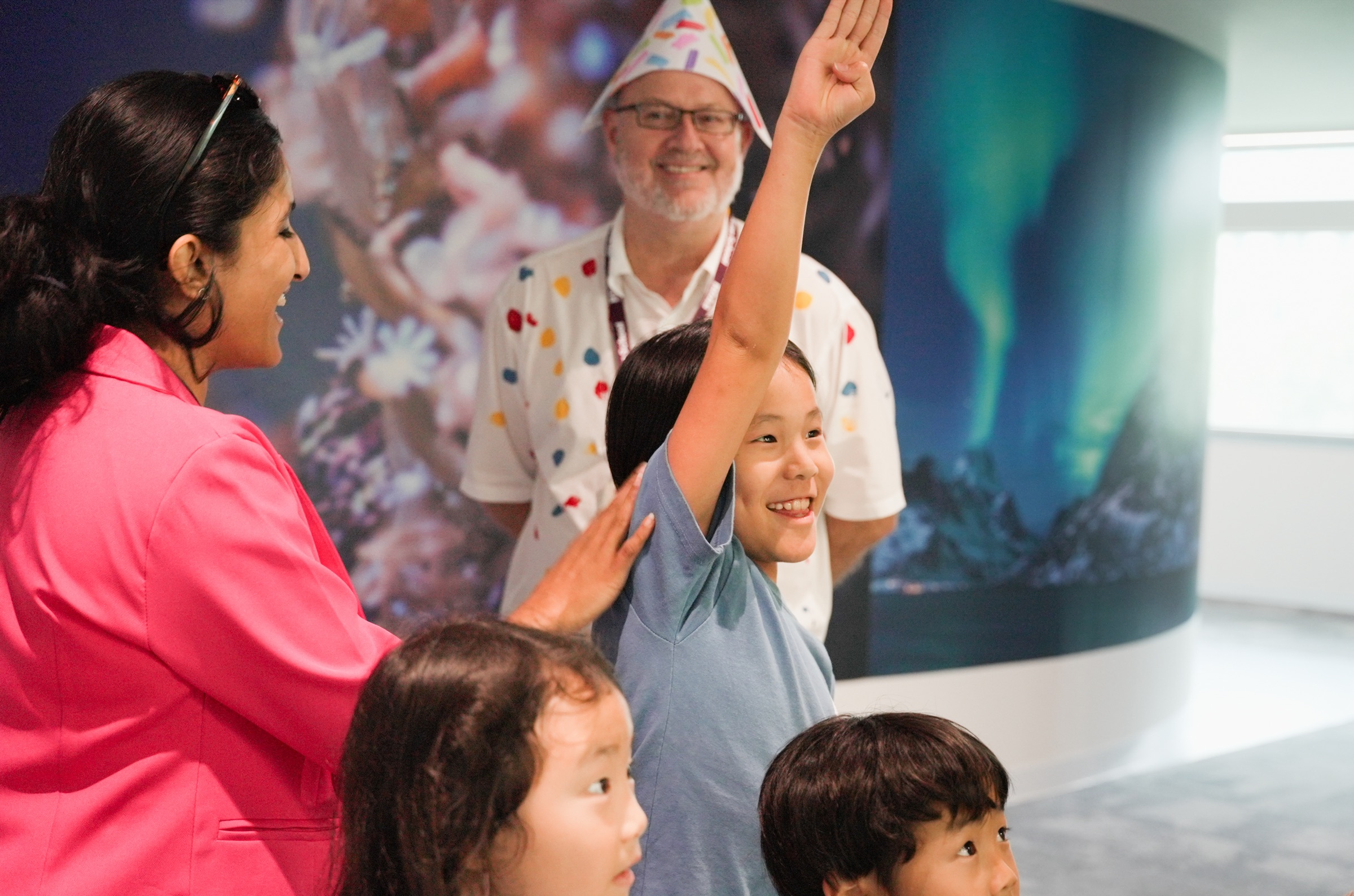
A student raising his hand eagerly beside his teachers

The Future of Learning: Powered by Cognitive Science

We believe learning follows principles that cognitive science can now describe: how memory takes root, why productive struggle deepens understanding, and why a child who feels safe can think while a child who feels afraid cannot.

That is why the schedule, every lesson, and even the classrooms at RDAS are designed around how students learn and process the world around them.

This begins with our teachers. At RDAS, we believe that cutting-edge teaching practice requires a firm and consistent commitment to teacher professional development. We hire experienced and accomplished faculty who want to expand their craft to embrace current research on best practice and brain science. To do this, they need to have access to a long-term professional development program led by experts. Even great teachers, without consistent support, will default to old habits if there is not a structure to support new thinking and practice. Our faculty train throughout the year in the science of learning under Dr. Kevin Mattingly of Riverdale Country School and Columbia University’s Teachers College. Teachers learn the foundational concepts of cognitive science-informed pedagogy, practice integrating them into their classroom practice and planning, and receive regular feedback. Only through this continuous process of learning, practice, reflection, and revision can we develop lessons that are consistently built on new understanding of how motivation, memory, and attention work.

Our students will master the curriculum. But the deeper aim is a child who understands how they learn, enjoys it, and in time takes charge of their own education. These are the goals of each teacher’s practice and planning.

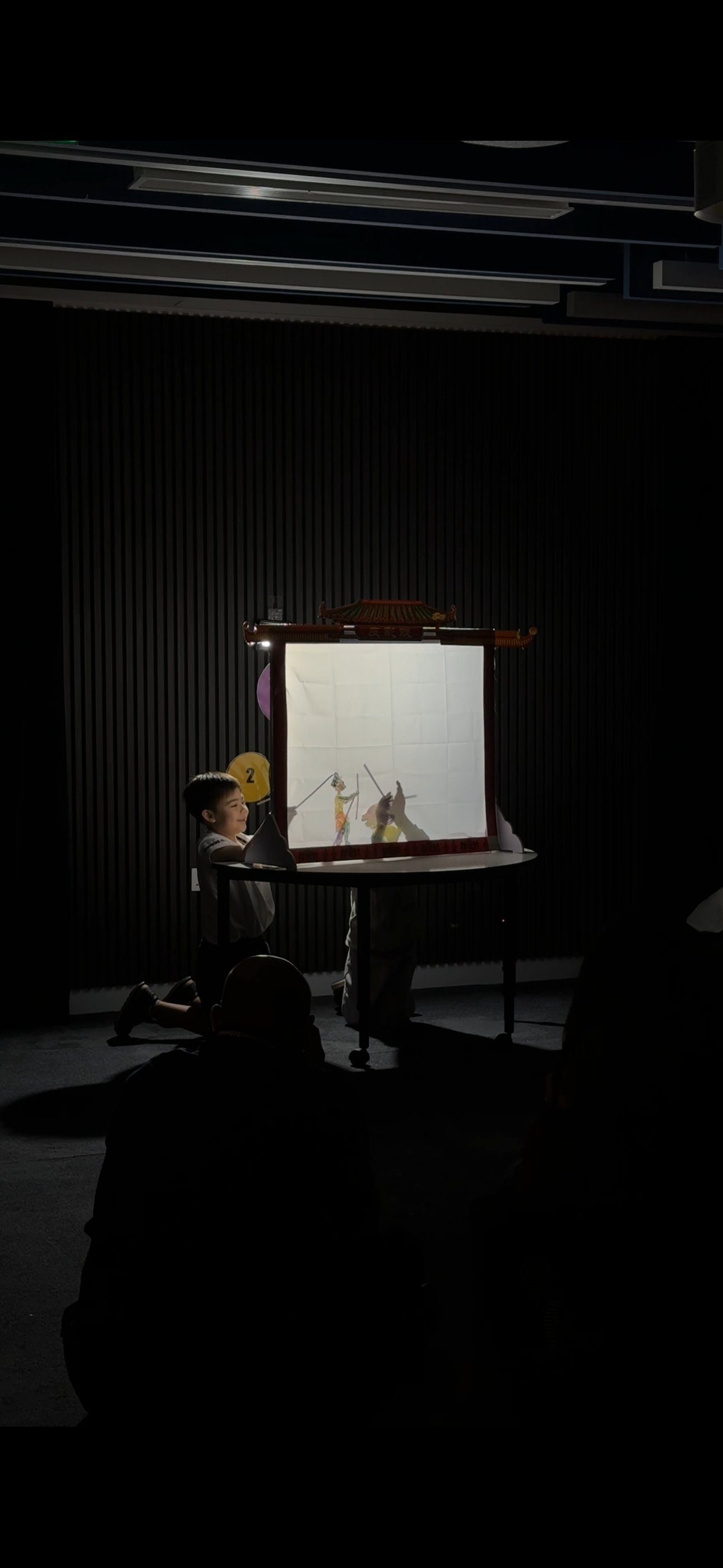
Children performing a shadow-puppet show in Dream Lab

Dream Lab: Where Innovation Happens

We believe children learn most deeply when they have agency and see the meaning in their work. That is why at RDAS, we provide a fixed period in the schedule to explore and support student ideas and initiatives.

In Dream Lab, children take the lead in shaping their ideas, while teachers support them with thoughtful questions and help them identify and develop the skills they need to accomplish their goal. In the lower grades, one child’s idea can grow into a shared class creation: a fascination with a shadow puppet might become a Monkey King production, with children writing their own dialogues and composing their own melodies. In middle school, Dream Lab can evolve into longer-term projects that call for greater independence, deeper exploration, and more ambitious thinking that can take them out into the world or their communities.

Along the way, children learn to plan, collaborate, and persevere. More importantly, they develop the confidence to trust their ideas, the initiative to act on them, and the belief that they can make a real impact on the world.

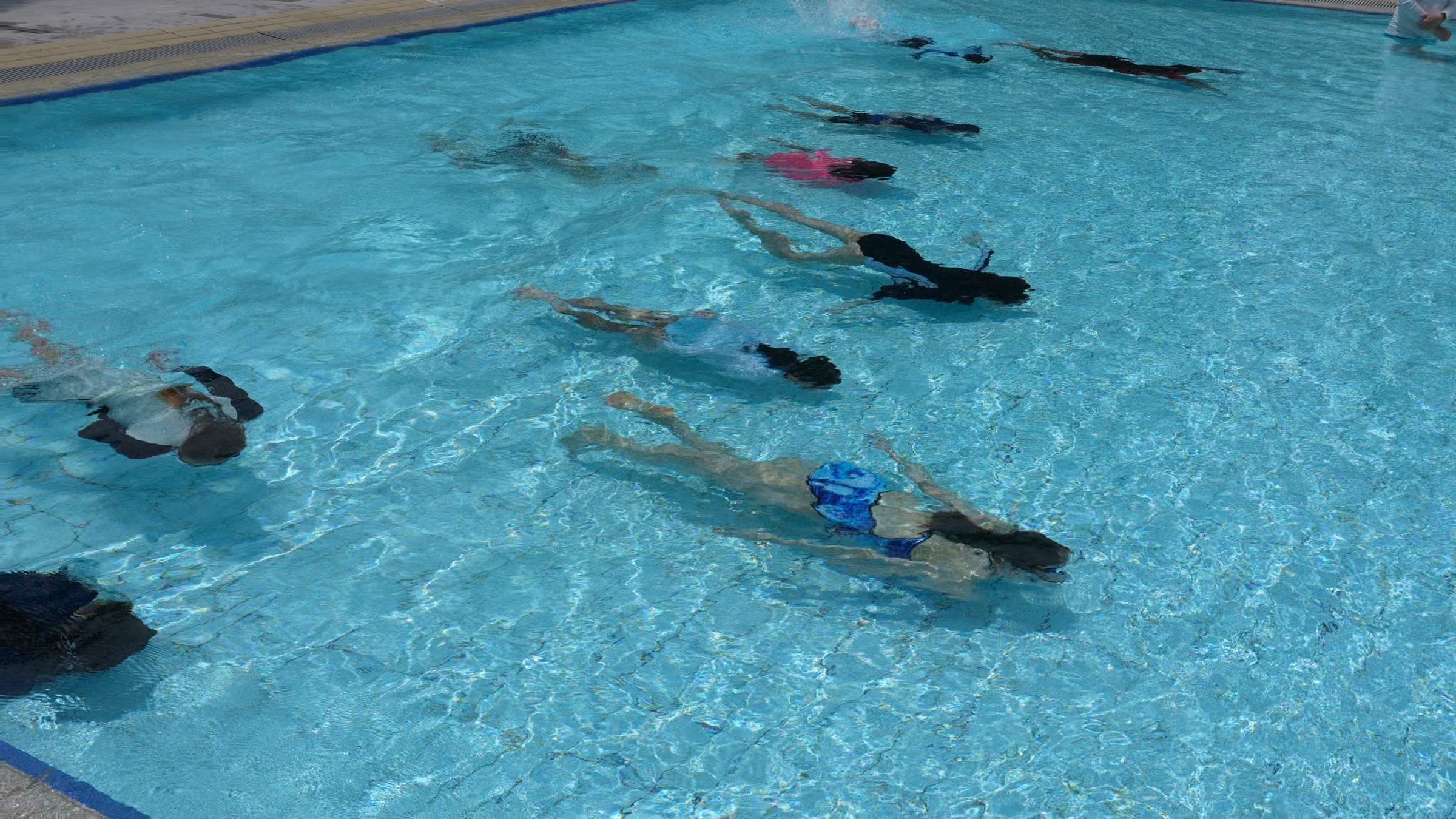
Students swimming laps in the pool

Wellness Program: Strong Body, Steady Mind

For most of human history, a healthy body came with daily life: people walked, carried, built and worked the land. Modern life has quietly taken that away. Adults now go to the gym to put back what everyday life no longer gives them. Children need the same thing, and they need it while their bodies are still growing. We believe a school that cares for a child’s mind is also obligated to help them develop and maintain a strong, healthy body.

Research shows that regular physical activity can support attention, memory, and executive function – the mental skills needed to focus, learn, and solve problems. At RDAS, movement is part of how we support the whole child. With at least 45 minutes daily of physical education built into every school day (270 minutes into every school week), we create a solid foundation not only for a love of movement, teamwork, and an appreciation of what our extraordinary bodies can do, but also a solid foundation for learning, emotional regulation, and focus.

As a child grows, so does our program. Each stage builds on the last: coordination and balance through play in the early years, then core strength, then the speed and agility that develop fastest between ten and twelve, and only in the teenage years, with careful coaching, strength training. Across every sport, children move from trying something new to developing the skills and confidence to play the game. A first-grader may begin by simply building confidence in the water; by middle school, that same child may be training for competition.

We want every child to leave RDAS with more than sporting skills: the confidence to move, the value of their well-being, and healthy habits that last a lifetime. Among these habits are those habits that result in a healthy mind. The ability to understand and identify your values and beliefs, to articulate and understand how your choices and actions reflect those beliefs, and to identify and regulate your emotions – these are all skills that support wellness and stability even in a turbulent world.

At RDAS, these skills are developed in our grounding and reflection periods as well as advisory, where trusted adults help our young people navigate the challenges of adolescence and young adulthood and teach them self-talk, skills, and strategies to build self-confidence, exercise empathy, engage in honest self-reflection, and persevere through difficulty and failure.

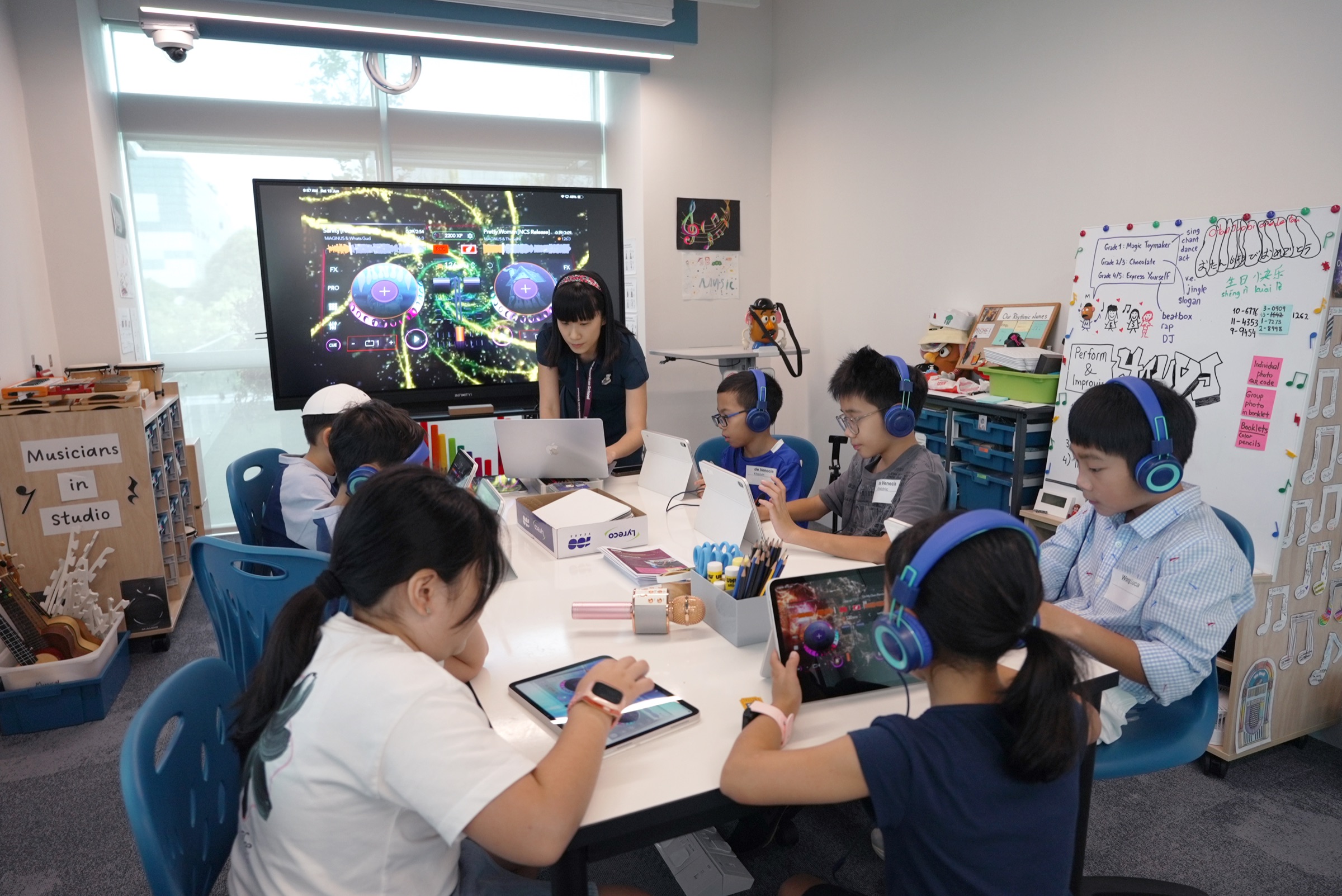
Students working with tablets and headphones around a table as their teacher guides them

AI Readiness Program: Master AI, Never Be Mastered by It

We believe the most important thing a child can learn in the age of AI is not how to use a tool, but how to stand in relation to it. That is why our AI Readiness Program runs from the earliest grades to graduation, and begins with the child, not the machine.

It starts with understanding one’s relationship with AI: how these systems work, how to question them, and when to put them away, so that they can focus on what is important: developing their own sense of self, independent judgment, and personal friendships.

We know from research that one of the most impactful processes a student can engage in is metacognition, the ability to think about one’s own thinking. At RDAS, we develop this skill from Grade 1. To support metacognition and self-directed learning, students at all grade levels have a dedicated Learning Journal, where they reflect on specific pieces of work or learning, determine what their next step might be, what is going well, and what they might do differently next time. Other children might develop this kind of self-awareness on their own in their teens or later; however, we guide it from the start. A child who can reflect on their own thinking and learning knows they come to school to grow their own mind and does not mistake a machine’s answer for their own understanding.

From that strong foundation, students can use AI with real fluency. AI is woven into how RDAS teaches and runs, and our students use it as naturally as earlier generations used a library, ready for whatever tool comes next.

The deepest aim, though, is not to keep pace with the age of AI, but to go beyond it. Machines can answer questions; our graduates will decide which questions matter. They will not wait to see what the future holds. They will help decide it.

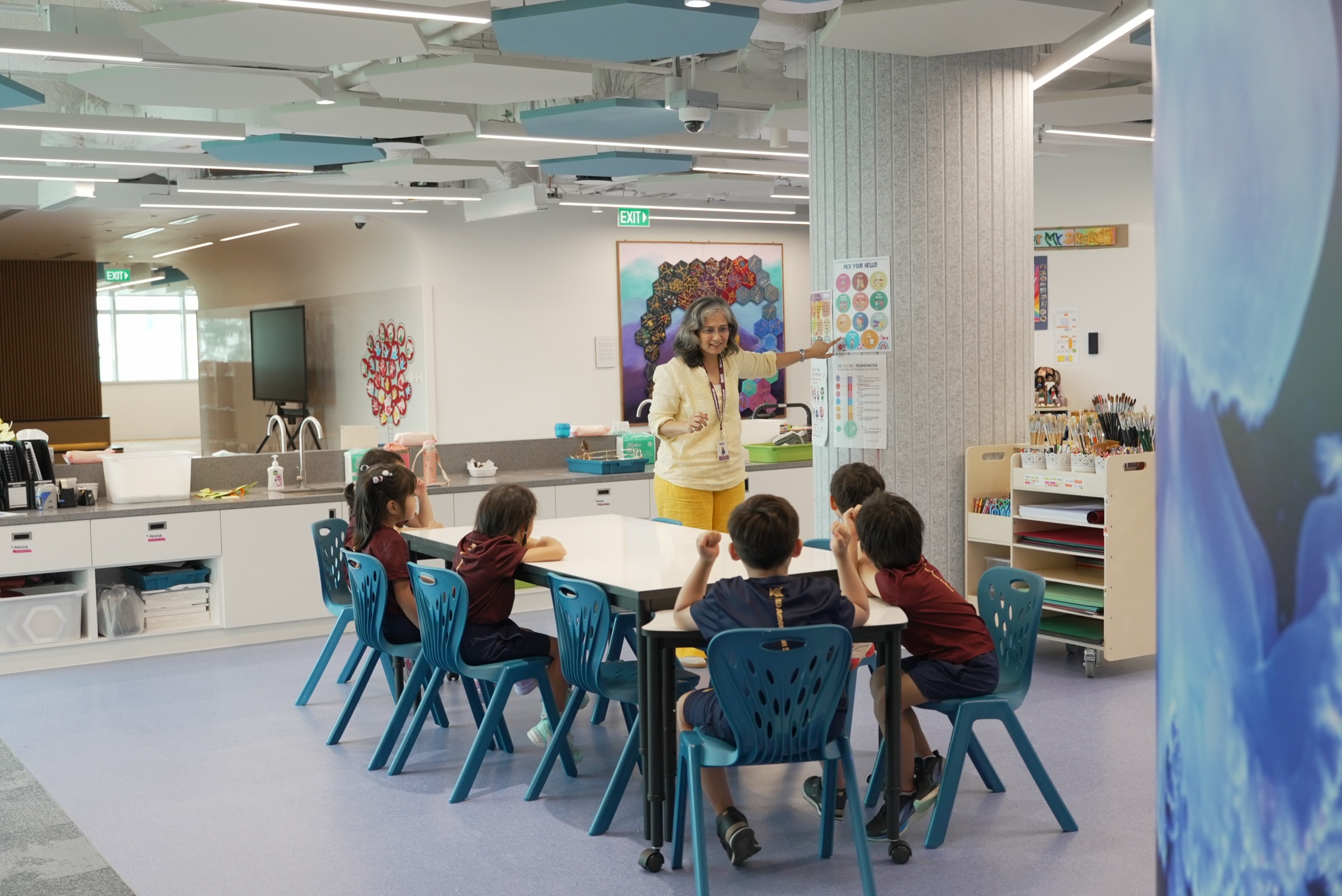
A teacher and young students at work in a bright RDAS learning studio

The Third Teacher: Classrooms Engineered for Authentic Inquiry

We believe learning is shaped not only by what children are taught but by the environments they experience every day. That is why our campus, designed by award-winning education architect Trung Le, goes beyond providing classrooms and facilities. Every space is intentionally designed around how children learn – how they think, communicate, collaborate, create, adapt and reflect.

In the Community Plaza, students exchange ideas and learn alongside one another. In Cognition Circle, students learn to find their voice, listen to others and grow comfortable expressing ideas in front of an audience, while the Story Lab brings literacy to life through imagination and storytelling, and in Black Box, children are given regular opportunities to present with purpose, respond to feedback and build confidence through practice.

In the Visual Thinking Lab, thinking becomes visible – allowing students to map ideas, make connections and helping teachers understand not only what a child knows, but how they think.

And because meaningful learning also requires moments of pause, the Reflection Cave gives them space to recognize their emotions, reflect and reset.

What makes these spaces different is not simply how they look, but how often children experience them. These are not facilities reserved for occasional lessons; instead, they are part of everyday learning at RDAS. Over hundreds and eventually thousands of experiences, children learn to ask better questions, express their ideas, practice using their voice, making their thinking visible, working with others, adapting to different environments and becoming increasingly independent learners.
Because confidence, curiosity and adaptability are not developed in a single lesson. They are built through the experiences children have every day.

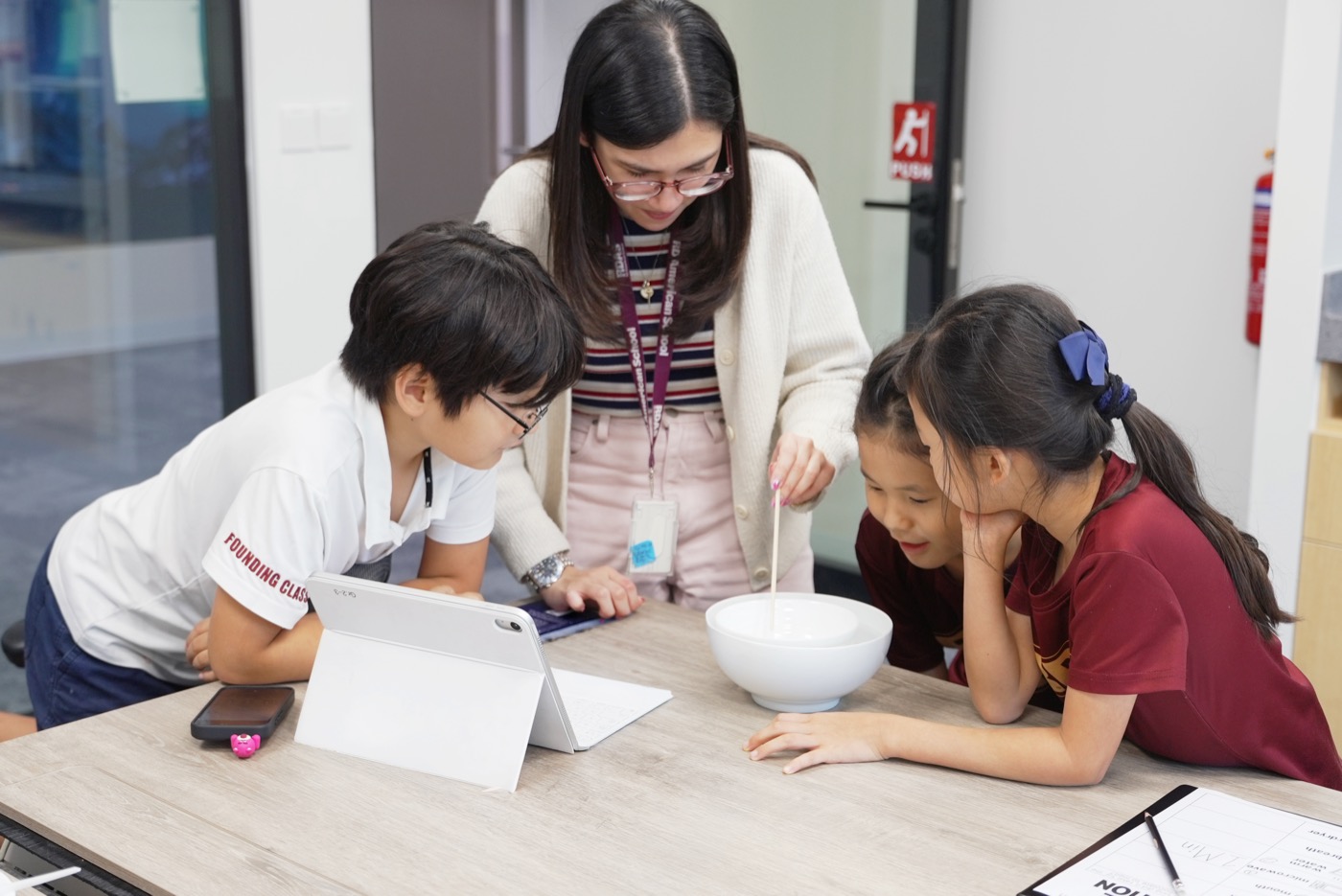
A teacher works with a small group of students around a table

My Path: Every Student Known, Every Path Their Own

We believe that the ability to direct one’s own learning must be taught and nurtured. We also know that students do best when they develop trusting relationships with the adults who guide and support them. My Path is RDAS’s program of individualized development and guidance, from the first day of school through graduation.

It begins in Grade 1, when every student keeps a Learning Journal and ends each day with a period of reflection. In Grades 6–8, students join advisory groups of eight to ten led by a faculty advisor, with structured sessions on character, goal setting, well-being, digital citizenship, and peer relationships. In Grades 9–12, each student meets their advisor one-on-one every two weeks to discuss academic progress, balance, and the decisions that come with greater independence.

From Grade 8, a dedicated college counselor works with each student and family: understanding the admissions process and planning for high school in Grade 8; course choices and study habits in Grade 9; deepening interests and summer programs in Grade 10; testing, activities, possible majors and a balanced university list in Grade 11; and essays and applications in Grade 12. Because the counselor knows each student over four years, the advice reflects who that student is rather than a generic checklist.

Advisors, teachers and the counselor work as one team toward a single aim: graduates who know themselves, take responsibility for their choices, and step confidently into university and beyond.

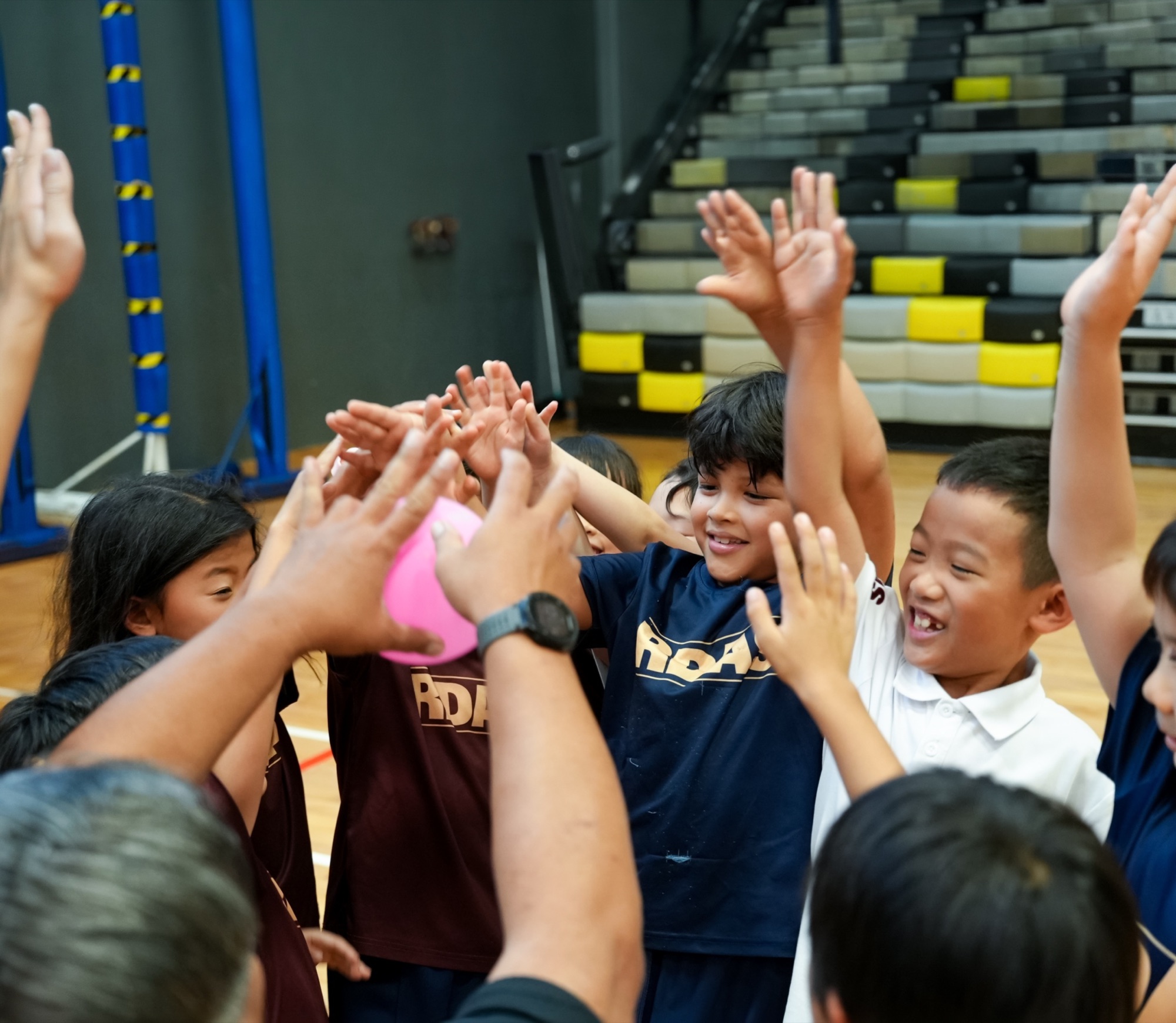
Students and a coach raising their hands together in the gym

An American Education, Global Opportunities

The American high school diploma is one of the most flexible credentials a student can carry into the world. It is built on breadth: students complete a full range of coursework in the humanities, sciences, mathematics, languages, and the arts while also having room to go deep in the areas that matter to them. Universities in the United States know this model well, and institutions in many other countries are accustomed to evaluating it, especially when it comes with rigorous external evidence of achievement. For a school in Singapore serving families who may not yet know where their children will study, that flexibility is a real advantage. It keeps doors open rather than committing a student to a single national pathway.

Advanced Placement courses provide that external evidence. Each AP course ends in an exam that is designed and scored by the College Board, so a strong result means the same thing whether a student takes the exam in Singapore or in New York. Universities in more than 100 countries use AP scores in admissions decisions, and many award credit or advanced standing for them. In some systems, particularly the United Kingdom, a set of strong AP scores can form part of the academic requirements for admission. Most important, AP allows students to show they can handle university-level work before they arrive at university, which is persuasive to admissions readers everywhere.

AP Capstone can take this a step further. Built around two courses, AP Seminar and AP Research, the program asks students to investigate real problems from multiple perspectives, evaluate sources critically, collaborate, and carry out an independent research project of their own design, culminating in an academic paper and a presentation and oral defense. For students who have been asking good questions since their earliest years at RDAS, Capstone is a natural culmination. Together with the diploma and a strong AP record, it gives students both the academic credentials and the demonstrated capabilities to compete for places at leading universities around the world.

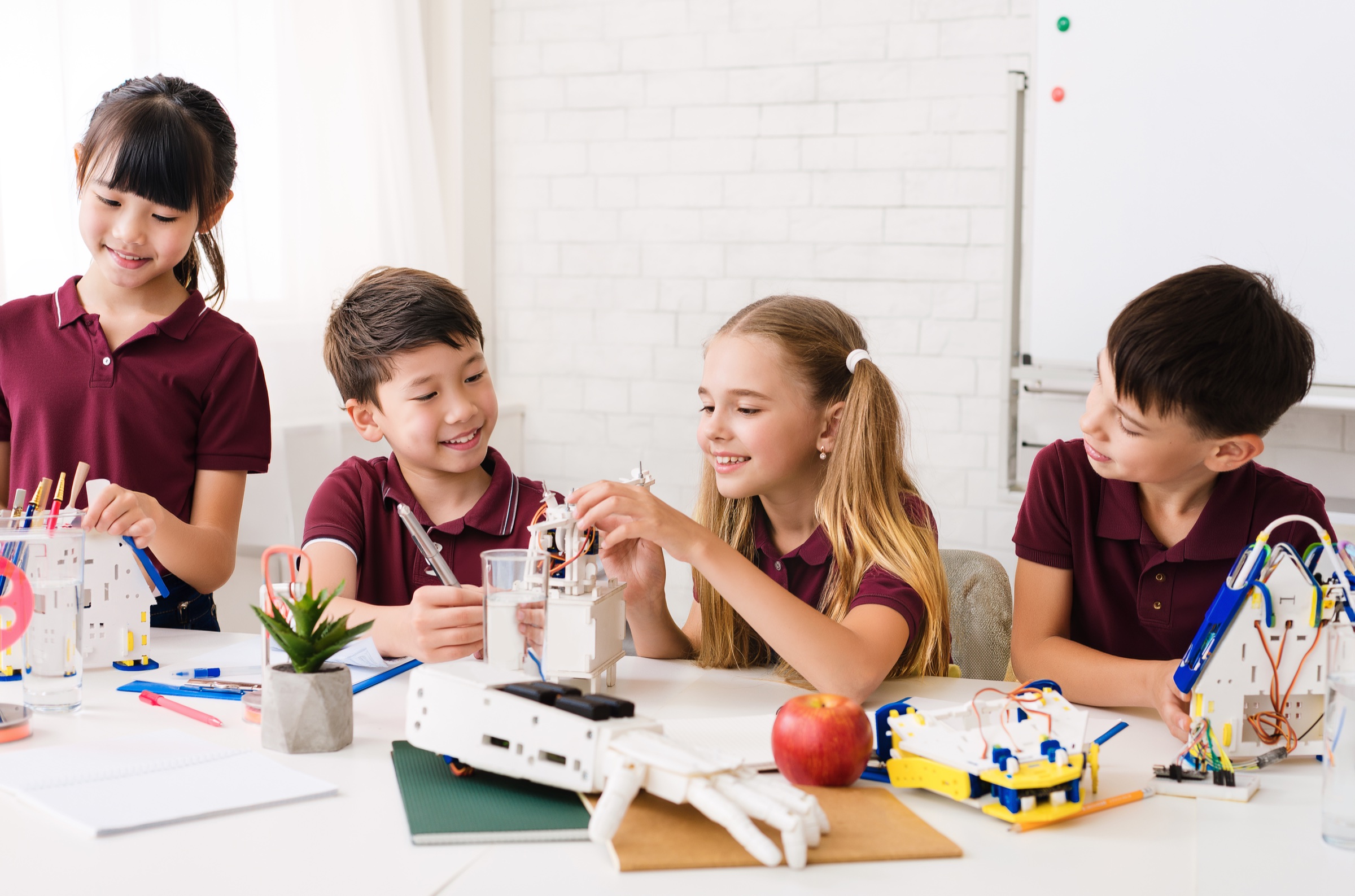
Students collaborating around a table

A School That Keeps Reinventing Itself

RDAS is designed to review and renew itself as our understanding of learning advances, with a structure strong enough to endure and flexible enough to change.

As a founding school, we have the rare opportunity to build our practices deliberately rather than inherit them, and we intend to keep that deliberateness long after our first years. We hold ourselves accountable to current research on how students learn, how teachers grow, and how schools function well. That means we regularly ask whether what we are doing still reflects the best available evidence, and we are prepared to change course when it does not. Our curricular frameworks, our standards, and our partnership with an established American private school give us strong foundations, but we treat them as starting points for inquiry rather than as finished answers.

This commitment extends to every part of school life. In classrooms, teachers engage in ongoing professional learning, examine evidence of student progress together, and refine their instruction based on evidence and reflection. Beyond the classroom, we apply the same expectations to admissions, operations, communications, student support, and governance: the quality of a school is determined by the quality of learning – not just student learning, but the learning that takes place in all areas of the school and at all levels.

Our aim is a school that learns as steadily as it asks its students to learn: curious, self-critical, and always working to become better at what matters most.

See the Difference
for Yourself

Visit our campus in Changi Business Park, step into the classrooms and meet the teachers.

Schedule a Call or Visit

A few details and we’ll be in touch.